§ 2.5 The development of the CCS requires detailed technical and process knowledge. Potential sources of contamination are attributable to microbial and cellular debris (e.g. pyrogen, endotoxin) as well as particulate (e.g. glass and other visible and sub-visible particles).
Elements to be considered within a CCS should include (but are not limited to):
… xiv. Monitoring systems - including an assessment of the feasibility of the introduction of scientifically sound, alternative methods that optimize the detection of environmental contamination.
§ 9.28 The adoption of suitable alternative monitoring systems such as rapid methods should be considered by manufacturers in order to expedite the detection of microbiological contamination issues and to reduce the risk to product. These rapid and automated microbial monitoring methods may be adopted after validation has demonstrated their equivalency or superiority to the established methods.
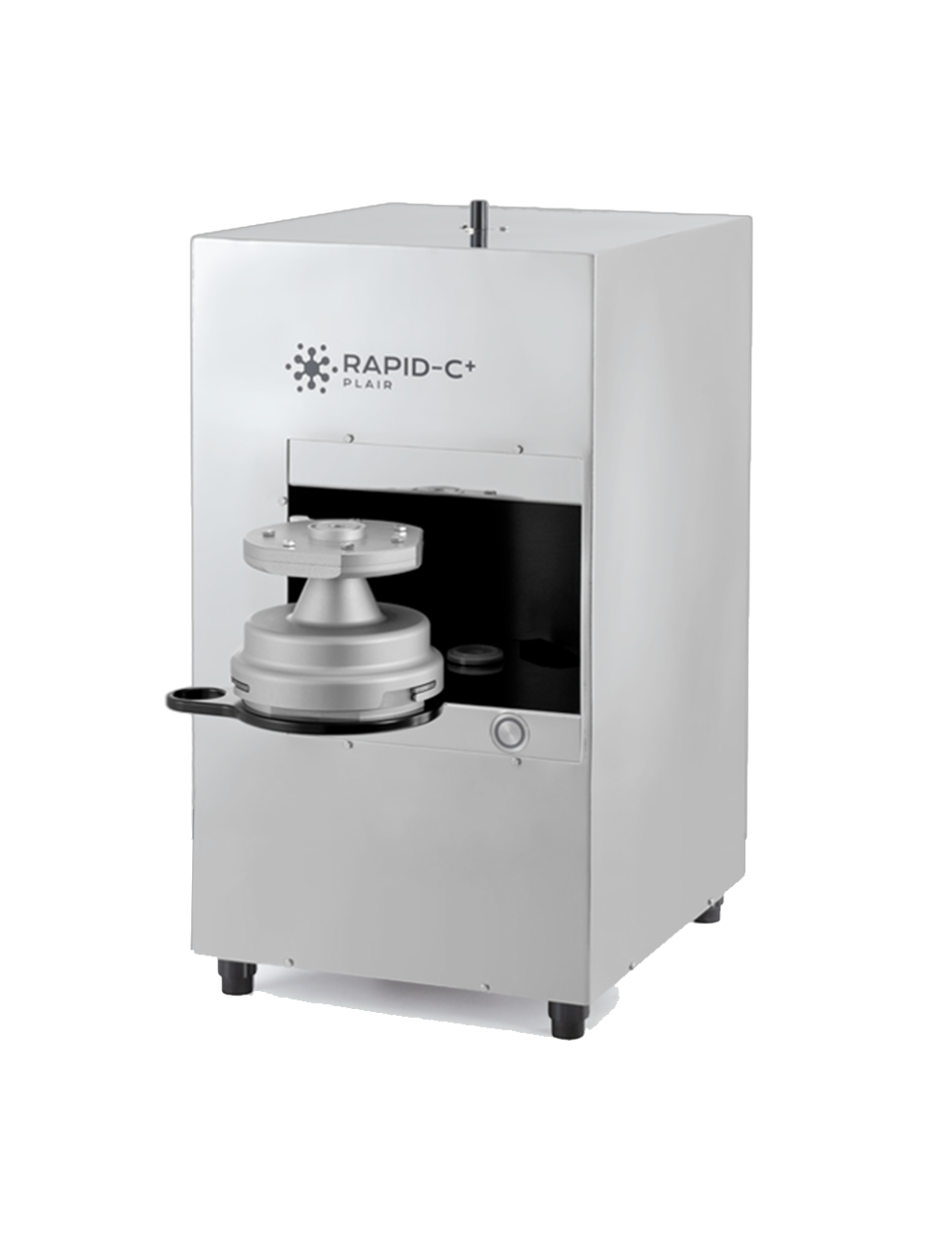
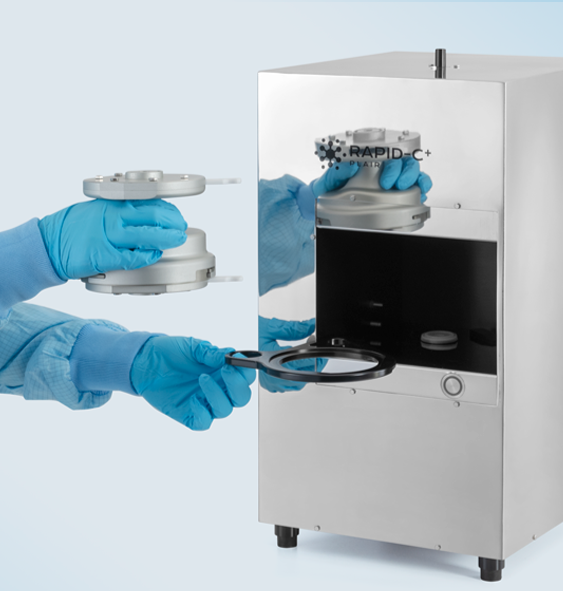
The Rapid-C+ represents a new generation of real-time environmental monitoring systems, designed to meet and exceed modern expectations for rapid microbiological control. Unlike traditional methods that rely on culturing viable microorganisms on agar plates, the Rapid-C+ uses BFPC to continuously detect and characterize airborne biological particles based on their intrinsic fluorescence and scattering properties, in combination with agar plates where the measured air is impacted and microorganisms are collected.
This rapid method significantly shortens the time to result, allowing the detection of potential microbiological contamination within seconds rather than days. Such methods help expedite detection and reduce risk to product quality by enabling immediate intervention in the event of abnormal microbial loads.
Furthermore, the system continuously collects data without the need for manual interventions within grade A environments, thereby reducing the contamination risk associated with operator manipulations.
By integrating Rapid-C+ into the environmental monitoring program, manufacturers can enhance their control over cleanroom environments, strengthen compliance with current regulatory expectations, and pave the way for data-driven, real-time decision-making in aseptic manufacturing.
- Risk-benefit analysis and user requirement specification (URS)
- Equipment qualification (IQ and OQ, and on request support for PQ)
- Comparability testing (correlation to reference methods e.g., active air sampling)
With these validated performance characteristics, the Rapid-C+ provides manufacturers with a scientifically sound, regulatory-aligned alternative for viable particle air monitoring.